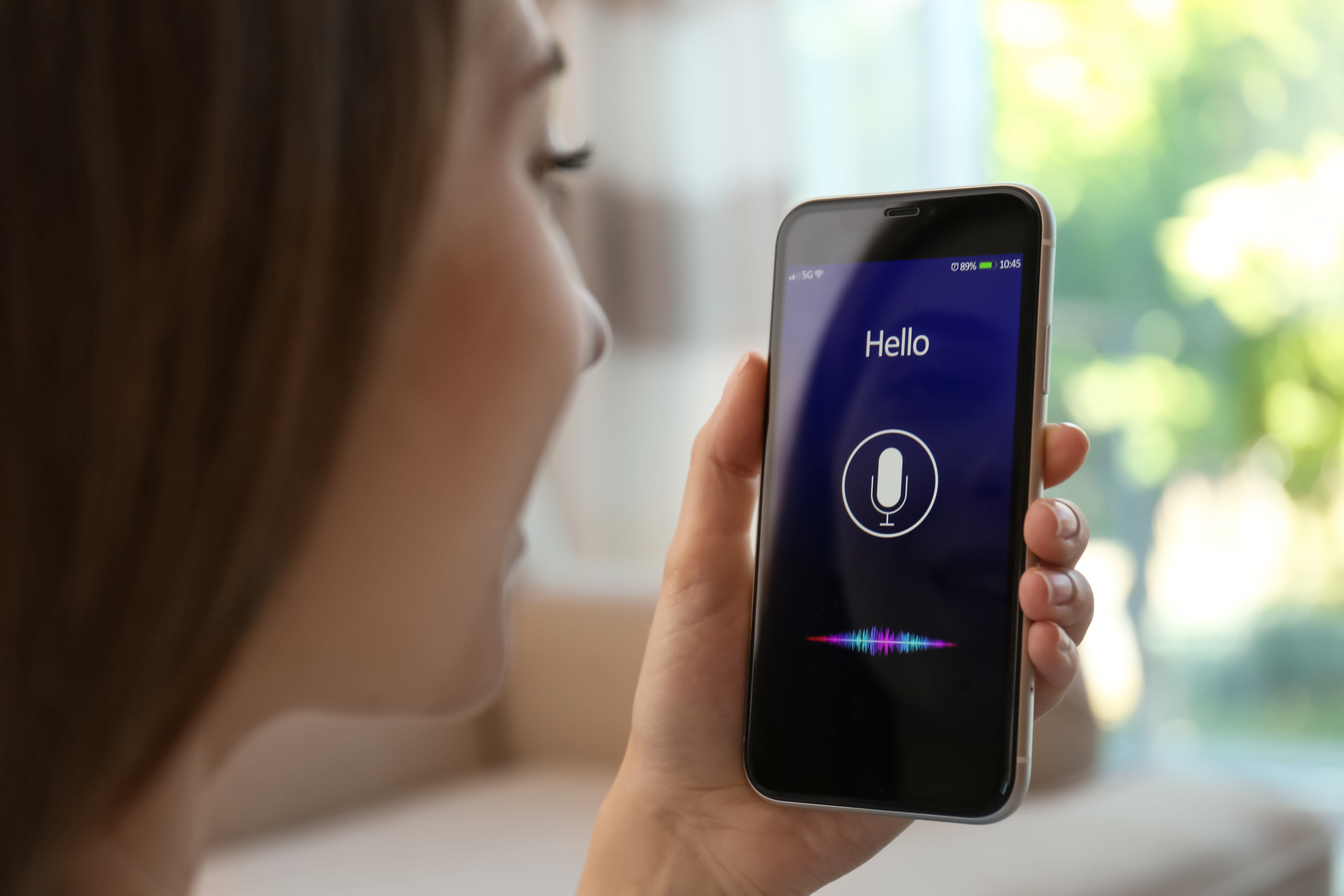
Artificial intelligence is no longer a futuristic concept — it is reshaping how users search for local services, how Google ranks results, and how businesses optimize their online presence. In 2026, local search is driven by large language models (LLMs), entity-based search, and predictive intent. This article explains the shift and offers concrete steps to future-proof your local SEO.
The Rise of AI-Powered Local Discovery
When a user today asks ChatGPT, Google Gemini, or Microsoft Copilot a question like "find a pediatric dentist accepting new patients in Houston with bilingual staff", the AI doesn't simply return blue links. It synthesizes information from multiple sources: Google Business Profile (GBP) data, reviews, structured data, social signals, and even video content. The AI then generates a concise, personalized recommendation. This means your business needs to be "AI-ready", not just SEO-ready.
Key AI Changes Impacting Local Businesses
- Entity-based ranking: Google now understands businesses as "entities" with attributes (e.g., "urgent care", "open Sunday", "Spanish-speaking"). The more complete your entity profile, the easier for AI to recommend you.
- Conversational search: Queries are longer, more natural, and often include conditional or multi-step context (e.g., "What clinic near me has same-day appointments and accepts my insurance?").
- Zero-click answers: AI answers can satisfy user intent directly on the search page without requiring a website visit. Being the source of that answer is now a primary goal.
- Multimodal search: Users can upload photos or speak queries. Optimizing for image search and voice is no longer optional.
How to Optimize for AI Local Search in 2026
1. Feed the Knowledge Graph with Structured Data
Implement schema markup for LocalBusiness, MedicalBusiness, opening hours, price range, accepted insurance, and languages spoken. Use JSON-LD on every relevant page. This structured data helps AI models extract and trust your business attributes.
2. Keep Your Google Business Profile Exceptionally Clean
AI relies heavily on GBP data. Fill every attribute, add services, use real photos, respond to Q&As, and post weekly updates. Inaccurate or missing information will cause the AI to ignore your listing.
3. Build Your Brand's Online "Entity"
Earn consistent citations across authoritative directories (Healthgrades, Vitals, Zocdoc, Yelp, local chambers). Also, encourage user-generated content (reviews, social media check-ins) that reinforces your entity attributes (e.g., "they speak Spanish", "they have a wheelchair ramp").
4. Answer Conversational Questions Directly on Your Site
Create an FAQ page that mirrors natural-language voice queries. For example: "Do you accept Medicaid in Miami?" or "What's the wait time for a flu shot in your Houston clinic?" The more precise the answer, the more likely AI will extract it.
5. Embrace Video and Image Optimization
AI now reads scene content from images and videos. Upload geotagged photos of your clinic, staff, waiting area, and equipment. Add descriptive alt text and filenames (e.g., "bilingual-doctor-miami-clinic.jpg").
What "AI-Ready" Looks Like in Practice
Practices that add detailed schema markup, keep their GBP attributes and services complete, and answer real patient questions in a long-tail FAQ tend to show up more often in AI-generated summaries and overviews — though it's still early days for measuring this reliably, and no agency can promise a specific increase. We don't publish specific percentage gains without a named, verifiable client behind them — see our success stories page for documented results as they become available.
What to Avoid in the AI Era
- Keyword stuffing: AI penalizes unnatural content.
- Fake reviews or fake sentiments: AI models are trained to detect patterns of inauthentic feedback.
- Inconsistent NAP: Even small discrepancies confuse entity resolution.
Conclusion
Artificial intelligence is not replacing local SEO — it is raising the bar. Businesses that provide clean, structured, and verifiable entity data will be rewarded by AI-powered search engines. Those that ignore this trend will become invisible.
Ready to make your practice AI-ready?
Schedule a free AI local search audit to identify gaps and opportunities.
Request free audit →