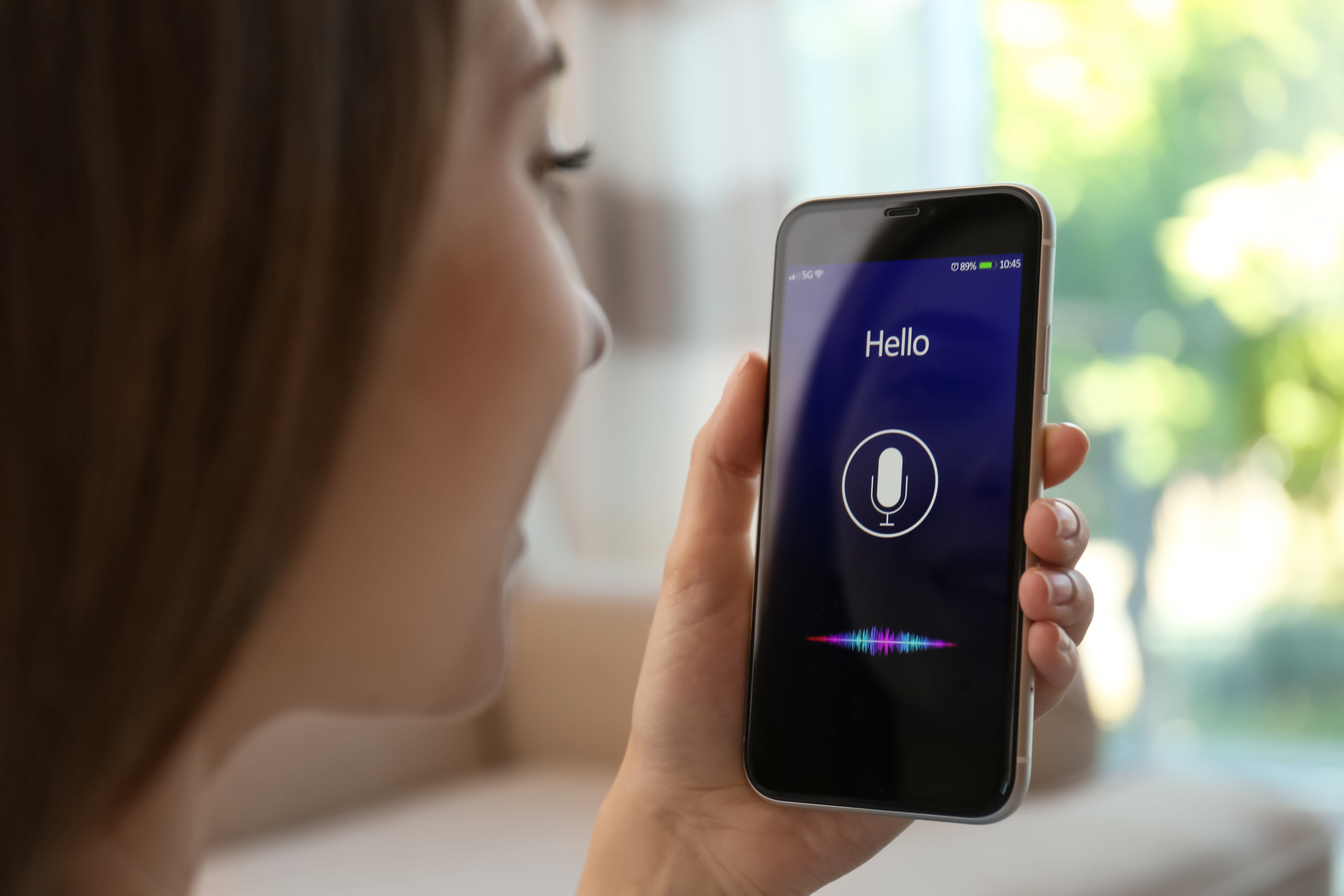
By 2026, over 40% of all local searches are initiated via voice (smartphones, smart speakers, in-car assistants). Patients ask virtual assistants questions like "Hey Google, find a pediatrician open now near me" or "Siri, call a walk-in clinic in Houston". Optimizing for voice search is no longer optional — it's a competitive necessity. This article shows you how.
How Voice Search Differs from Text Search
- Conversational, longer queries: "Where is a 24-hour clinic that accepts Blue Cross near my location?" instead of "24-hour clinic Blue Cross".
- Local intent is more concentrated: 58% of voice searchers look for local businesses, and 46% call or visit the same day.
- Zero-click answers rule: voice assistants read only the top result (or a direct answer snippet).
- Mobile-first/fast response: pages that load quickly and have clear structured data win.
Key Voice Search Ranking Factors (2026 Update)
- Google Business Profile (GBP) completeness — especially attributes like "open now", "wheelchair accessible", "bilingual staff".
- Featured snippet ownership — voice assistants often read the content of position zero (the featured snippet).
- Proximity — the closer your clinic to the searcher, the more likely it's selected.
- Review count and recency — recent, high-quality reviews increase trust for voice answers.
- Website speed (Core Web Vitals) — slow pages are rarely read by voice assistants.
How to Optimize for Voice Search
1. Optimize Your GBP for "Near Me" + "Open Now"
Ensure your hours are accurate and include extended hours attributes. Add "open now" in Google Posts when applicable. Fill in attributes like "appointment required" or "walk-ins welcome".
2. Create a Conversational FAQ Page
Write FAQs as natural-language questions and answers. For example: "Do you accept walk-in patients on weekends?" → "Yes, our clinic accepts walk-ins on Saturday from 9AM to 2PM." These exact matches are prime voice snippet material.
3. Target Featured Snippets (Position Zero)
Use structured data (HowTo, FAQ, QAPage) and provide clear, concise answers within your content. Voice assistants frequently read the featured snippet.
4. Improve Page Speed and Mobile Usability
Test your site with Google PageSpeed Insights. Aim for <2.5s Largest Contentful Paint (LCP) and <100ms Cumulative Layout Shift (CLS). Voice assistants avoid slow, awkward pages.
5. Incorporate Local Phone Numbers and Microdata
Mark up your phone number with Schema's telephone property. Include city and neighborhood names naturally in body content to help voice assistants match location.
What Voice-Focused Optimization Tends to Improve
Clinics that combine a real FAQ page, faster page speed, and enriched GBP attributes tend to earn more featured snippets over time — and featured snippets are what voice assistants read aloud. We don't publish specific call or ranking percentages without a named, verifiable client behind them — see our success stories page for documented results as they become available.
Measuring Voice Search Performance
Voice search calls often come through your GBP phone number. Use a call tracking number to estimate voice-driven calls. Also, monitor impressions for conversational queries in Google Search Console — look for long phrases that mimic spoken language.
Future of Voice in Healthcare
As AI assistants become more integrated with electronic health records (EHR) and appointment scheduling, voice search will evolve from "find a clinic" to "book an appointment for me". Practices that build voice authority now will benefit immensely.
Conclusion
Voice search is already mainstream in local healthcare searches. By focusing on conversational content, GBP completeness, and speed, you can capture patients who speak rather than type.
Ready for a voice search audit?
Request a free voice readiness assessment today.
Request free audit →